- Home
- Tutorial
- Resource Guides
- Focus Areas
- LSF Programs
-
Professional
Development - Review Process
-
A project of LSF

Search for Resources
Description
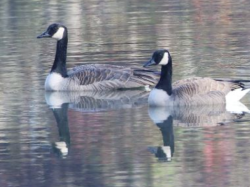
This lesson plan introduces elementary students to bird migration using Canada geese as a real-world example. Students observe geese outdoors in their schoolyard or nearby park over several days. They share their observations and take part in a hands-on, movement-based activity that simulates migration. Through these experiences, they learn what migration is, why birds migrate for food, weather, and breeding, and how they travel long distances. They also explore challenges birds face, such as predators and habitat loss, and discuss the importance of protecting wetlands.
In the simulation activity, students move through a hopscotch-style course representing wetland stops, which are gradually removed to show the impact of habitat loss, making migration increasingly difficult. The lesson concludes with questions to assess understanding and focuses on hands-on, place-based learning while building basic science knowledge and environmental awareness.
General Assessment
Recommendation of how and where to use it
This outdoor activity supports Grades K-5 learning related to habitat, wetlands, and human impact on the environment. It provides an opportunity to take the learning outside and engage directly with nature. The resource includes extension activities to deepen understanding, as well as assessment questions to evaluate student learning.
Please note that the links to useful websites for Canada geese information need to be updated. Below are a few recommended websites where you can learn more about Canada geese.
Canada Goose – Cornell Lab
Ten Fun Facts About the Canada Goose - Audubon
Did You Know? – Canada Goose Info – Ducks Unlimited
Canada Goose Facts for Kids – Kiddle Kids Encyclopedia
Relevant Curriculum Units
The following tool will allow you to explore the relevant curriculum matches for this resource. To start, select a province listed below.
- Step 1Select a province
- Alberta
- Step 2Select a grade level
- Kindergarten
- Step 3Select a subject
- Science
- Step 4Relevant matches
- Earth Systems: Understandings of the living world, Earth, and space are deepened by investigating natural systems and their interactions.
- Grade 1
- Step 3Select a subject
- Science
- Step 4Relevant matches
- Living Systems: Understandings of the living world, Earth, and space are deepened by investigating natural systems and their interactions.
- Grade 2
- Step 3Select a subject
- Science
- Step 4Relevant matches
- Living Systems: Understandings of the living world, Earth, and space are deepened by investigating natural systems and their interactions
- Grade 3
- Step 3Select a subject
- Science
- Step 4Relevant matches
- Living Systems: Understandings of the living world, Earth, and space are deepened through investigating natural systems and their interactions
- British Columbia
- Step 2Select a grade level
- Kindergarten
- Step 3Select a subject
- Science
- Step 4Relevant matches
- Science: Plants and animals have observable features
- Grade 1
- Step 3Select a subject
- Science
- Step 4Relevant matches
- Science 1: Living things have features and behaviours that help them survive in their environment
- Grade 2
- Step 3Select a subject
- Science
- Step 4Relevant matches
- Science 2: Living things have life cycles adapted to their environment
- Grade 3
- Step 3Select a subject
- Science
- Step 4Relevant matches
- Science 3: Living things are diverse, can be grouped, and interact in their ecosystems
- Grade 4
- Step 3Select a subject
- Science
- Step 4Relevant matches
- Science 4: All living things sense and respond to their environment
- Manitoba
- Step 2Select a grade level
- Kindergarten
- Step 3Select a subject
- Science
- Step 4Relevant matches
- Life Science
- Grade 2
- Step 3Select a subject
- Science
- Step 4Relevant matches
- Life Systems
- Grade 3
- Step 3Select a subject
- Science
- Step 4Relevant matches
- Life Science
- Grade 4
- Step 3Select a subject
- Science
- Step 4Relevant matches
- Life Systems
- New Brunswick
- Step 2Select a grade level
- Kindergarten
- Step 3Select a subject
- Science
- Step 4Relevant matches
- Explore Your World: Play and Playfulness
- Grade 1
- Step 3Select a subject
- Science
- Step 4Relevant matches
- Explore Your World: Play and Playfulness
- Grade 2
- Step 3Select a subject
- Science
- Step 4Relevant matches
- Explore Your World: Play and Playfulness
- Newfoundland & Labrador
- Step 2Select a grade level
- Kindergarten
- Step 3Select a subject
- Science
- Step 4Relevant matches
- Exploring Our World: Skills
- Grade 1
- Step 3Select a subject
- Science
- Step 4Relevant matches
- Needs and Characteristics of Living Things
- Grade 2
- Step 3Select a subject
- Science
- Step 4Relevant matches
- Animal Growth and Changes
- Grade 4
- Step 3Select a subject
- Science
- Step 4Relevant matches
- Habitats and Communities
- Grade 5
- Step 3Select a subject
- Science
- Step 4Relevant matches
- Weather
- Northwest Territories
- Step 2Select a grade level
- Kindergarten
- Step 3Select a subject
- Science
- Step 4Relevant matches
- Science: Plants and animals have observable features
- Grade 2
- Step 3Select a subject
- Science
- Step 4Relevant matches
- Science 2: Living things have life cycles adapted to their environment
- Grade 3
- Step 3Select a subject
- Science
- Step 4Relevant matches
- Science 3:living things are diverse, can be grouped, and interact in their ecosystems
- Grade 4
- Step 3Select a subject
- Science
- Step 4Relevant matches
- Science 4: All living things sense and respond to their environment
- Nova Scotia
- Step 2Select a grade level
- Kindergarten
- Step 3Select a subject
- Science
- Step 4Relevant matches
- Primary Science: Living Things
- Grade 1
- Step 3Select a subject
- Science
- Step 4Relevant matches
- Science 1: Needs of Living Things
- Grade 2
- Step 3Select a subject
- Science
- Step 4Relevant matches
- Science 2: Animal Growth
- Grade 4
- Step 3Select a subject
- Science
- Step 4Relevant matches
- Science 4: Habitats
- Grade 5
- Step 3Select a subject
- Science
- Step 4Relevant matches
- Science 5: Weather
- Nunavut
- Step 2Select a grade level
- Grade 1
- Step 3Select a subject
- Science
- Step 4Relevant matches
- Life Systems: Characteristics and Needs of Living Things
- Grade 2
- Step 3Select a subject
- Science
- Step 4Relevant matches
- Life Science: Growth and Changes in Animals
- Grade 5
- Step 3Select a subject
- Science
- Step 4Relevant matches
- Earth and Space Systems: Weather
- Ontario
- Step 2Select a grade level
- Kindergarten
- Step 3Select a subject
- Science & Technology
- Step 4Relevant matches
- Problem Solving and Innovating: Overall Expectations
- Grade 1
- Step 3Select a subject
- Science & Technology
- Step 4Relevant matches
- Life Systems: Needs and Characteristics of Living Things
- Grade 2
- Step 3Select a subject
- Science & Technology
- Step 4Relevant matches
- Life Systems: Growth & Changes in Animals
- Grade 4
- Step 3Select a subject
- Science & Technology
- Step 4Relevant matches
- Life Systems: Habitats and Communities
- Prince Edward Island
- Step 2Select a grade level
- Kindergarten
- Step 3Select a subject
- Science
- Step 4Relevant matches
- Exploring the World Using Our Senses
- Grade 1
- Step 3Select a subject
- Science
- Step 4Relevant matches
- Needs and Characteristics of Living Things
- Grade 2
- Step 3Select a subject
- Science
- Step 4Relevant matches
- Animal Growth and Changes:Investigating the Needs and Life Cycles of an Organism
- Grade 4
- Step 3Select a subject
- Science
- Step 4Relevant matches
- Habitats
- Grade 5
- Step 3Select a subject
- Science
- Step 4Relevant matches
- Weather
- Quebec
- Step 2Select a grade level
- Grade 1
- Step 3Select a subject
- Science & Technology
- Step 4Relevant matches
- Living things
- Grade 2
- Step 3Select a subject
- Science & Technology
- Step 4Relevant matches
- Living things
- Grade 3
- Step 3Select a subject
- Science & Technology
- Step 4Relevant matches
- Living Things
- Grade 4
- Step 3Select a subject
- Science & Technology
- Step 4Relevant matches
- Living Things
- Grade 5
- Step 3Select a subject
- Science & Technology
- Step 4Relevant matches
- Living Things
- Saskatchewan
- Step 2Select a grade level
- Kindergarten
- Step 3Select a subject
- Science
- Step 4Relevant matches
- Units & Outcomes
- Grade 1
- Step 3Select a subject
- Science
- Step 4Relevant matches
- Needs & Characteristics of Living Things
- Grade 2
- Step 3Select a subject
- Science
- Step 4Relevant matches
- Animal Growth and Changes
- Grade 4
- Step 3Select a subject
- Science
- Step 4Relevant matches
- Habitats and Communities
- Grade 5
- Step 3Select a subject
- Science
- Step 4Relevant matches
- Weather
- Yukon Territory
- Step 2Select a grade level
- Kindergarten
- Step 3Select a subject
- Science
- Step 4Relevant matches
- Science: Plants and animals have observable features
- Grade 1
- Step 3Select a subject
- Science
- Step 4Relevant matches
- Science 1: Living things have features and behaviours that help them survive in their environment
- Grade 2
- Step 3Select a subject
- Science
- Step 4Relevant matches
- Science 2: Living things have life cycles adapted to their environment
- Grade 3
- Step 3Select a subject
- Science
- Step 4Relevant matches
- Science 3: Living things are diverse, can be grouped, and interact in their ecosystems
- Grade 4
- Step 3Select a subject
- Science
- Step 4Relevant matches
- Science 4: All living things sense and respond to their environment
Themes Addressed
Ecosystems (4)
- Appreciating the Natural World
- Biodiversity
- Habitat Loss
- Wildlife Protection