- Home
- Tutorial
- Resource Guides
- Focus Areas
- LSF Programs
-
Professional
Development - Review Process
-
A project of LSF

Search for Resources
Description
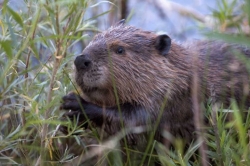
This resource helps students understand how changes to ecosystems impact the animals that live within them. It explores how beavers affect ecosystems, including how their dam-building influences river systems. Students practise making ecosystem management decisions through a town-hall role play that highlights multiple perspectives and shared community decision making.
Students will:
- brainstorm and draw what they think a healthy river looks like, then compare their ideas with classmates to create a shared list of healthy river features
- view two videos about river ecosystems restoration projects and discuss how beavers interact with these systems
- brainstorm what they know about beavers
- read an article about beavers and answer assessment questions
- participate in a simulated town hall where they examine the ecological role of beavers and consider the social, environmental, and economic factors involved from different community perspectives
- research how beavers affect their assigned role (e.g. farmer, mayor, park employee)
- discuss four potential solutions to address the beaver issue and compare the pros and cons of each option
- prepare a summary or presentation based on theri research to share at the town hall
- vote on the best solution and discuss why certain options were chosen over others
The resource offers optional extension activities to further enhance student learning.
General Assessment
Recommendation of how and where to use it
This resource supports grade six to ten outcomes related to the study of biodiversity, habitats, ecosystems, and human impacts on natural systems. To extend the learning, students could participate in a field trip to a local beaver pond. Students could map their local watershed and identify where beaver activity might influence water flow or flooding. Older students can analyze how wetlands reduce erosion and improve water quality. Extend the town hall role play into a formal policy proposal. Students could draft a wildlife management plan balancing ecological benefits with community concerns (flooding, agriculture, infrastructure)
Relevant Curriculum Units
The following tool will allow you to explore the relevant curriculum matches for this resource. To start, select a province listed below.
- Step 1Select a province
- Alberta
- Step 2Select a grade level
- Grade 6
- Step 3Select a subject
- Science
- Step 4Relevant matches
- Living Systems: Understandings of the living world, Earth, and space are deepened through investigating natural systems and their interactions
- Grade 7
- Step 3Select a subject
- Science
- Step 4Relevant matches
- Interactions and Ecosystems
- Grade 8
- Step 3Select a subject
- Science
- Step 4Relevant matches
- Freshwater and Saltwater Systems
- Grade 9
- Step 3Select a subject
- Environmental Science
- Step 4Relevant matches
- Environment and Outdoor Education: Commitment to Action
- Science
- Step 4Relevant matches
- Biological Diversity
- British Columbia
- Manitoba
- New Brunswick
- Newfoundland & Labrador
- Step 2Select a grade level
- Grade 6
- Step 3Select a subject
- Science
- Step 4Relevant matches
- Diversity of Life
- Grade 7
- Step 3Select a subject
- Science
- Step 4Relevant matches
- Interaction of Ecosystems
- Grade 8
- Step 3Select a subject
- Science
- Step 4Relevant matches
- Water Systems on Earth's Surface
- Grade 10
- Step 3Select a subject
- Science
- Step 4Relevant matches
- Science 1206: Sustainability of Ecosystems
- Northwest Territories
- Nova Scotia
- Nunavut
- Step 2Select a grade level
- Grade 6
- Step 3Select a subject
- Science
- Step 4Relevant matches
- Life Systems: Diversity of Living Things
- Grade 7
- Step 3Select a subject
- Science
- Step 4Relevant matches
- Interactions and Ecosystems
- Grade 8
- Step 3Select a subject
- Science
- Step 4Relevant matches
- Freshwater and Saltwater Systems
- Grade 9
- Step 3Select a subject
- Science
- Step 4Relevant matches
- Biological Diversity
- Knowledge and Employability Science: Biological Diversity (Social and Environmental Contexts Emphasis)
- Ontario
- Prince Edward Island
- Step 2Select a grade level
- Grade 6
- Step 3Select a subject
- Science
- Step 4Relevant matches
- Diversity of Life
- Grade 7
- Step 3Select a subject
- Science
- Step 4Relevant matches
- Interactions Within Ecosystems
- Grade 8
- Step 3Select a subject
- Science
- Step 4Relevant matches
- Water Systems on Earth
- Grade 10
- Step 3Select a subject
- Science
- Step 4Relevant matches
- Science 431A: Life Science, Sustainability of Ecosystems
- Saskatchewan
- Step 2Select a grade level
- Grade 6
- Step 3Select a subject
- Science
- Step 4Relevant matches
- Science 6: Life Science: Diversity of Living Things
- Grade 7
- Step 3Select a subject
- Science
- Step 4Relevant matches
- Science 7: Life Science: Interactions within Ecosystems
- Grade 8
- Step 3Select a subject
- Science
- Step 4Relevant matches
- Science 8: Water Systems on Earth
- Grade 10
- Step 3Select a subject
- Science
- Step 4Relevant matches
- Science 10: Climate and Ecosystem Dynamics
- Yukon Territory
Themes Addressed
Ecosystems (3)
- Appreciating the Natural World
- Biodiversity
- Interdependence