- Home
- Tutorial
- Resource Guides
- Focus Areas
- LSF Programs
-
Professional
Development - Review Process
-
A project of LSF

Search for Resources
Feathers & Fur, Scales & Skin
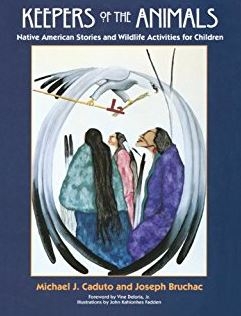
Keepers of the Animals - Native American Stories and Wildlife Activities for Children
Elementary, Secondary
Description
Feathers and Fur, Scales and Skin is part of a compilation entitled Keepers of the Animals which provides an integrated approach to the concepts of wildlife ecology and environmental and stewardship issues concerning animals, habitat, and natural history. Through the use of Native North American stories and hands-on activities integrated with subject areas such as creative arts, theater, science, social studies, mathematics, students learn to understand, live with and care for the animals.
Feathers and Fur, Scales and Skin is a collection of twelve stories from a variety of Native American traditions. Each story provides background information about the legend, information about the animals highlighted in the story, discussion questions and a variety of hands-on activities designed to give students a clearer understanding of the natural history facts or processes described in the story. Each activity provides goals, detailed teaching instructions and a list of required materials. A section entitled Extending the Experience provides a variety of activities to reinforce and supplement the lessons of the stories and activities.
Turtle Races with Beaver introduces many of the important concepts and relationships between plants, animals and their environments. Students participate in a variety of hands-on activities such as performing a puppet show, creating a model beaver pond and playing ecological games.
Octopus and Raven explores the seashore and its inhabitants. Students play a game of charades to imitate the anatomy and behaviour of seashore invertebrates, go on a scavenger hunt and create small models of a mussel’s filter feeding system. They review the natural history of the octopus and have fun playing octopus tag.
How the Butterflies Came to Be examines the role and life cycle of butterflies and insects. Students make a list of all the gifts we receive from insects, create a special gift for the insects, go on an insect scavenger hunt, create models of familiar insects, make an insect instrument and play their own chorus and complete a maze simulating the hazardous migratory route of a monarch butterfly.
Salmon Boy introduces the importance of respect for the salmon, ocean life and conservation of fish. Students learn about the basic external anatomy of a fish by catching a fish in a net, observing it, and releasing it. They listen to a fantasy journey and live out the life cycle of a salmon and calculate the number of potential offspring. They create a diorama of an underwater ocean scene. Students develop a connection with the sea by spending some time alone then writing a thank you note or poem to express their gratitude.
The Woman Who Married a Frog examines amphibians and their adaptations for survival as well as pollution and environmental changes affecting amphibian’s habitats. Students listen to a puppet show to learn more about amphibian characteristics and their metamorphosis, collect and care for frog eggs to experience the developmental stages from egg, larva to frog, watch a frog’s tongue as it is feeding and create a simple motion picture, monitor and record amphibian sightings in the area and take appropriate action for protecting local populations of amphibians.
How Poison Came Into the World and The Boy and the Rattlesnake explore different types of reptiles, conservation of reptiles and animal stereotypes and defenses. Students learn what distinguishes reptiles from other animals through a series of riddles, find and observe reptiles focusing on their defenses and warning signals, create their own reptile, participate in a fantasy journey and see the world from a rattlesnake’s point of view. Students read some traditional animal stories and rewrite one of their favourites. They learn and practice a variety of conservation measures to help protect reptiles.
The First Flute and Manabozho and the Woodpecker explore the topics of birds focusing on flight, adaptation, survival, communication and conservation. Activities include playing a bingo game to help students learn and practice some common bird calls, matching up birds with their correct beaks, playing a matching game to identify some survival adaptations of birds, monitoring local bird populations. They create a papier-mâché woodpecker and its habitat.
Why Coyote Has Yellow Eyes and The Dogs Who Saved Their Master examines mammals and dogs of North America. Students become familiar with local mammals, make papier-mâché masks, play a cooperative puzzle game, study the language of a pet and create a dictionary for the animal sounds. They play a game of choices to see if they are as adaptable as a coyote.
Why Possum Has a Naked Tail looks closely at urban and suburban animals and their habitat. Students go on a walk to search for animals and their living conditions, conduct a survey of people’s attitudes towards animals, research an endangered or exotic species and get involved in a hands-on project by providing a good habitat for an urban animal.
General Assessment
What skills does this resource explicitly teach?
- Practice learning a skill through watchful observation
- Practice teaching using the same quiet, experiential techniques to pass knowledge onto another
- Students listen to the number of calls made by the field cricket in fifteen seconds and use a formula to calculate the approximate temperature in Fahrenheit and Celsius.
- Acquire skills in observing and keeping field records of animal sightings.
- Working cooperatively
Strengths
- Excellent variety of creative, hands-on, outdoor activities.
- Excellent background information provided as a resource for teachers.
- Each lesson plan includes a description of the activity, goals, materials needed and detailed teaching instructions.
- The lesson plans are easy-to-use.
- Includes many extending the experience activities.
- Activities include an easy to use symbols system that provides a quick reference to both the setting and the topics of that activity.
Weaknesses
- The resource is dated and has no website links to animal organizations' websites
- One of the stories and its activities takes place by the sea and is not convenient for all.
- No assessment/rubrics are provided.
- Few opportunities for students to share what they have learned with their parents or peers.
Relevant Curriculum Units
The following tool will allow you to explore the relevant curriculum matches for this resource. To start, select a province listed below.
- Step 1Select a province
- Alberta
- Step 2Select a grade level
- Kindergarten
- Grade 1
- Grade 2
- Step 3Select a subject
- Arts
- Step 4Relevant matches
- Visual Arts
- Grade 3
- Step 3Select a subject
- Arts
- Step 4Relevant matches
- Visual Arts
- Grade 4
- Step 3Select a subject
- Arts
- Step 4Relevant matches
- Visual Arts
- Grade 5
- Step 3Select a subject
- Arts
- Step 4Relevant matches
- Visual Arts
- British Columbia
- Step 2Select a grade level
- Kindergarten
- Step 3Select a subject
- Science
- Step 4Relevant matches
- Science: Daily and seasonal changes affect all living things.
- Science: Plants and animals have observable features
- Grade 1
- Step 3Select a subject
- Science
- Step 4Relevant matches
- Science 1: Living things have features and behaviours that help them survive in their environment
- Social Studies
- Step 4Relevant matches
- Local Communities:: We shape the local environment, and the local environment shapes who we are and how we live.
- Grade 2
- Step 3Select a subject
- Science
- Step 4Relevant matches
- Science 2: Living things have life cycles adapted to their environment
- Manitoba
- Step 2Select a grade level
- Kindergarten
- Step 3Select a subject
- Arts
- Step 4Relevant matches
- Visual Arts
- Science
- Step 4Relevant matches
- Trees
- Social Studies
- Step 4Relevant matches
- Being Together:The World and Me
- Grade 1
- Step 3Select a subject
- Arts
- Step 4Relevant matches
- Visual Arts
- Science
- Step 4Relevant matches
- Characteristics and Needs of Living Things
- Daily and Seasonal Changes
- Evolution
- Life Systems
- Social Studies
- Step 4Relevant matches
- My Environment
- Grade 2
- Grade 3
- Grade 4
- Step 3Select a subject
- Arts
- Step 4Relevant matches
- Visual Arts
- Math
- Step 4Relevant matches
- Statistics & Probability
- Science
- Step 4Relevant matches
- Habitat and Communities
- Life Systems
- Social Studies
- Step 4Relevant matches
- Manitoba, Canada, and the North: Places and Stories: Living in Manitoba
- Grade 5
- Step 3Select a subject
- Math
- Step 4Relevant matches
- Statistics & Probability
- Social Studies
- Step 4Relevant matches
- Peoples and Stories of Canada to 1867: First Peoples
- New Brunswick
- Step 2Select a grade level
- Kindergarten
- Step 3Select a subject
- Visual Art
- Step 4Relevant matches
- Create
- Grade 1
- Step 3Select a subject
- Visual Art
- Step 4Relevant matches
- Create
- Grade 2
- Step 3Select a subject
- Visual Art
- Step 4Relevant matches
- Create
- Grade 3
- Step 3Select a subject
- Science
- Step 4Relevant matches
- Our Local Environment : Learning and Living Sustainably
- Our Local Environment : Scientific Literacy
- Visual Art
- Step 4Relevant matches
- Create
- Grade 4
- Step 3Select a subject
- Math
- Step 4Relevant matches
- Statistics and Probability
- Visual Art
- Step 4Relevant matches
- Create
- Grade 5
- Step 3Select a subject
- Math
- Step 4Relevant matches
- Statistics and Probability
- Visual Art
- Step 4Relevant matches
- Create
- Newfoundland & Labrador
- Northwest Territories
- Step 2Select a grade level
- Kindergarten
- Step 3Select a subject
- Science
- Step 4Relevant matches
- Science: Daily and seasonal changes affect all living things.
- Science: Plants and animals have observable features
- Grade 1
- Step 3Select a subject
- Arts
- Step 4Relevant matches
- Arts Education 1: Visual Art
- Social Studies
- Step 4Relevant matches
- Local Communities:: We shape the land and the land shapes who we are and how we live.
- Grade 2
- Grade 3
- Step 3Select a subject
- Arts
- Step 4Relevant matches
- Arts Education 3: Visual Art
- Nova Scotia
- Step 2Select a grade level
- Grade 1
- Step 3Select a subject
- Science
- Step 4Relevant matches
- Science 1: Needs of Living Things
- Grade 2
- Step 3Select a subject
- Social Studies
- Step 4Relevant matches
- Social Studies 2:Environments
- Visual Art
- Step 4Relevant matches
- Visual Arts 2: Investigate
- Grade 3
- Step 3Select a subject
- Visual Art
- Step 4Relevant matches
- Visual Arts 3: Investigate
- Grade 4
- Step 3Select a subject
- Math
- Step 4Relevant matches
- Math 4: Statistics & Probability
- Grade 5
- Step 3Select a subject
- Math
- Step 4Relevant matches
- Mathematics 5: Statistics & Probability
- Grade 10
- Step 3Select a subject
- Visual Art
- Step 4Relevant matches
- Visual Arts 10: Creating, Making and Presenting
- Nunavut
- Step 2Select a grade level
- Kindergarten
- Step 3Select a subject
- Arts
- Step 4Relevant matches
- Arts: Exploring Our World
- Grade 1
- Step 3Select a subject
- Grade 2
- Step 3Select a subject
- Grade 3
- Step 3Select a subject
- Grade 4
- Step 3Select a subject
- Science
- Step 4Relevant matches
- Life Systems: Habitats & Communities
- Grade 5
- Step 3Select a subject
- Arts
- Step 4Relevant matches
- Arts Education 5: Creative/Productive
- Ontario
- Step 2Select a grade level
- Kindergarten
- Step 3Select a subject
- Science & Technology
- Step 4Relevant matches
- Problem Solving and Innovating: Overall Expectations
- Grade 1
- Step 3Select a subject
- Science & Technology
- Step 4Relevant matches
- Life Systems: Needs and Characteristics of Living Things
- Grade 2
- Step 3Select a subject
- Arts
- Step 4Relevant matches
- Arts: Visual Arts
- Math
- Step 4Relevant matches
- Data
- Science & Technology
- Step 4Relevant matches
- Earth and Space Systems: Air & Water in the Environment
- Life Systems: Growth & Changes in Animals
- Grade 3
- Grade 4
- Step 3Select a subject
- Arts
- Step 4Relevant matches
- Arts: Visual Arts
- Math
- Step 4Relevant matches
- Data
- Science & Technology
- Step 4Relevant matches
- Life Systems: Habitats and Communities
- Grade 5
- Prince Edward Island
- Step 2Select a grade level
- Grade 1
- Step 3Select a subject
- Science
- Step 4Relevant matches
- Needs and Characteristics of Living Things
- Grade 2
- Step 3Select a subject
- Science
- Step 4Relevant matches
- Animal Growth and Changes:Investigating the Needs and Life Cycles of an Organism
- Grade 4
- Step 3Select a subject
- Science
- Step 4Relevant matches
- Habitats
- Quebec
- Step 2Select a grade level
- Grade 1
- Step 3Select a subject
- Arts
- Step 4Relevant matches
- Arts: Visual Arts: To produce media works in the visual arts
- Science & Technology
- Step 4Relevant matches
- Living things
- Grade 2
- Step 3Select a subject
- Arts
- Step 4Relevant matches
- Arts: Visual Arts:To produce individual works in the visual arts
- Science & Technology
- Step 4Relevant matches
- Living things
- Grade 3
- Step 3Select a subject
- Arts
- Step 4Relevant matches
- Arts: Visual Arts: To produce individual works in the visual arts
- Math
- Step 4Relevant matches
- Statistics & Probability
- Science & Technology
- Step 4Relevant matches
- Living Things
- Grade 4
- Step 3Select a subject
- Arts
- Step 4Relevant matches
- Arts: Visual Arts: To produce individual works in the visual arts
- Math
- Step 4Relevant matches
- Statistics & Probability
- Science & Technology
- Step 4Relevant matches
- Living Things
- Grade 5
- Step 3Select a subject
- Arts
- Step 4Relevant matches
- Arts: Visual Arts: To produce individual works in the visual arts
- Science & Technology
- Step 4Relevant matches
- Living Things
- Saskatchewan
- Yukon Territory
- Step 2Select a grade level
- Kindergarten
- Step 3Select a subject
- Science
- Step 4Relevant matches
- Science: Daily and seasonal changes affect all living things.
- Science: Plants and animals have observable features
- Grade 1
- Step 3Select a subject
- Science
- Step 4Relevant matches
- Science 1: Living things have features and behaviours that help them survive in their environment
- Social Studies
- Step 4Relevant matches
- Local Communities:: We shape the local environment, and the local environment shapes who we are and how we live.
- Grade 2
- Step 3Select a subject
- Science
- Step 4Relevant matches
- Science 2: Living things have life cycles adapted to their environment
Themes Addressed
Ecosystems (5)
- Appreciating the Natural World
- Endangered Species
- Habitat Loss
- Interdependence
- Wildlife Protection
Sustainability Education Principles
| Principle | Rating | Explanation |
|---|---|---|
| Consideration of Alternative Perspectives | Poor/Not considered |
|
Consideration of Alternative Perspectives:
| ||
| Multiple Dimensions of Problems & Solutions | Poor/Not considered |
|
| Multiple Dimensions of Problems & Solutions: Effectively addresses the environmental, economic and social dimensions of the issue(s) being explored.
| ||
| Respects Complexity | Poor/Not considered |
|
| Respects Complexity: The complexity of the problems/issues being discussed is respected. | ||
| Acting on Learning | Good |
|
| Acting on Learning: Learning moves from understanding issues to working towards positive change — in personal lifestyle, in school, in the community, or for the planet
| ||
| Values Education | Satisfactory |
|
| Values Education: Students are explicitly provided with opportunities to identify, clarify and express their own beliefs/values. | ||
| Empathy & Respect for Humans | Satisfactory |
|
| Empathy & Respect for Humans: Empathy and respect are fostered for diverse groups of humans (including different genders, ethnic groups, sexual preferences, etc.). | ||
| Personal Affinity with Earth | Very Good | |
| Personal Affinity with Earth: Encourages a personal affinity with -the natural world.
| ||
| Locally-Focused Learning | Very Good | |
| Locally-Focused Learning: Includes learning experiences that take advantage of issues/elements within the local community.
| ||
| Past, Present & Future | Good |
|
| Past, Present & Future: Promotes an understanding of the past, a sense of the present, and a positive vision for the future. | ||
Pedagogical Approaches
| Principle | Rating | Explanation |
|---|---|---|
| Open-Ended Instruction | Good |
|
| Open-Ended Instruction
: Lessons are structured so that multiple/complex answers are possible; students are not steered toward one 'right' answer. | ||
| Integrated Learning | Very Good |
|
| Integrated Learning: Learning brings together content and skills from more than one subject area
| ||
| Inquiry Learning | Good |
|
| Inquiry Learning: Learning is directed by questions, problems, or challenges that students work to address.
| ||
| Differentiated Instruction | Good | |
| Differentiated Instruction: Activities address a range of student learning styles, abilities and readiness.
| ||
| Experiential Learning | Good | |
| Experiential Learning: Authentic learning experiences are provided
| ||
| Cooperative Learning | Good | |
| Cooperative Learning: Group and cooperative learning strategies are a priority.
| ||
| Assessment & Evaluation | Satisfactory |
|
| Assessment & Evaluation: Tools are provided that help students and teachers to capture formative and summative information about students' learning and performance. These tools may include reflection questions, checklists, rubrics, etc. | ||
| Peer Teaching | Satisfactory | |
| Peer Teaching: Provides opportunities for students to actively present their knowledge and skills to peers and/or act as teachers and mentors.
| ||
| Case Studies | Poor/Not considered |
|
| Case Studies: Relevant case studies are included. Case studies are thorough descriptions of real events from real situations that students use to explore concepts in an authentic context. | ||
| Locus of Control | Good | |
| Locus of Control: Meaningful opportunities are provided for students to choose elements of program content, the medium in which they wish to work, and/or to go deeper into a chosen issue. | ||